


Intelligent Learning. Human Impact.
AR, VR, MR and XR Training for Global Enterprises
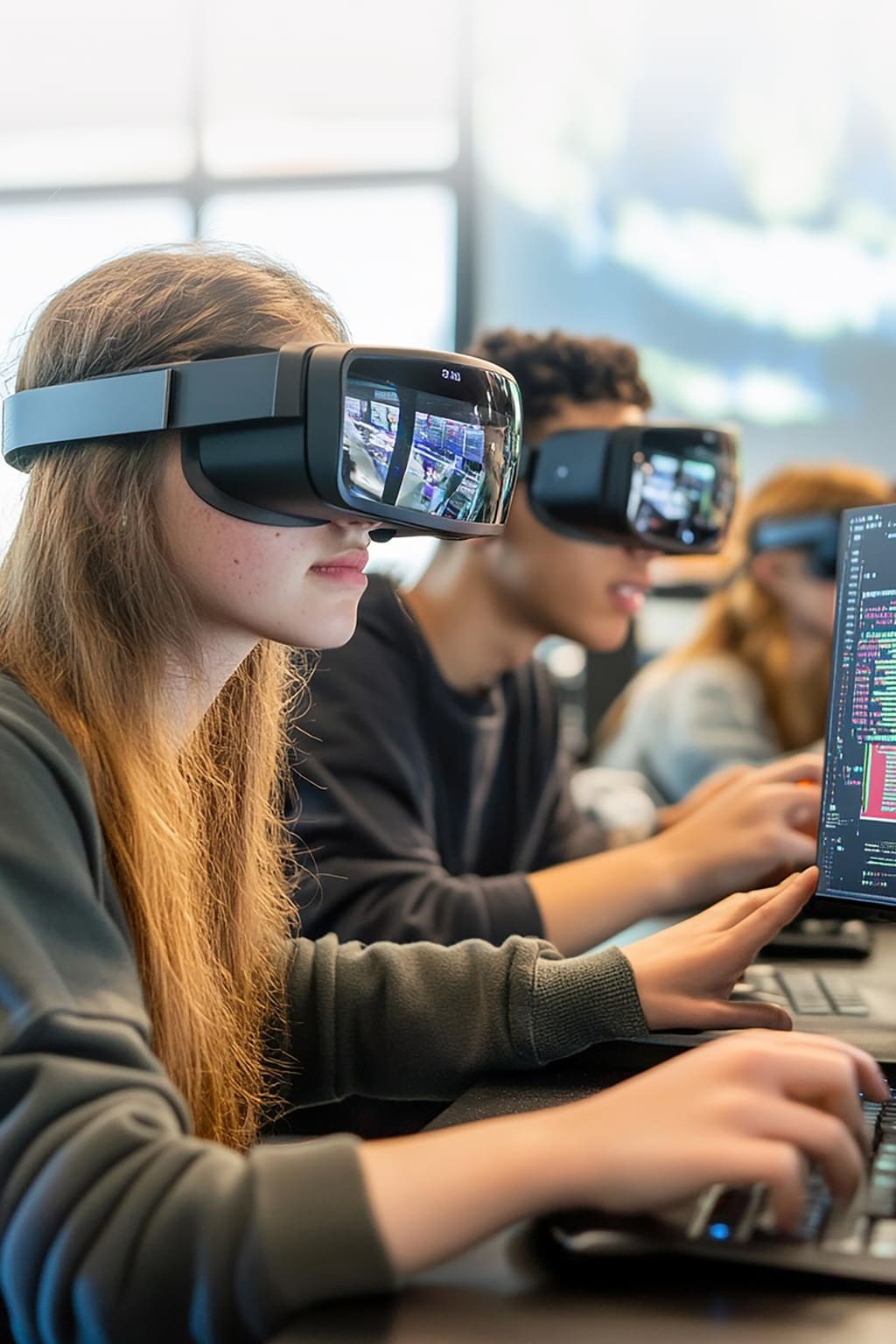
High-stakes work deserves more than a slide deck. We build custom immersive learning that puts your teams inside the job, in VR, AR, mixed reality and XR environments, so they practise the work, before the work, and arrive ready for the real thing.


Why enterprises choose immersive training
Digital, Immersive learning uses VR, AR, mixed reality and XR to put learners inside a realistic 3D or 360° environment, where they practise a task, make a decision and see the result, before they ever touch the real equipment, patient or customer. Enterprises choose immersive training for the work eLearning cannot reach safely: hazardous procedures, complex machinery, and conversations too sensitive to rehearse with a real colleague. Practising inside the environment builds the muscle memory and judgement that reading or watching cannot, and that retention spike is what makes the return on a high-stakes programme measurable.



Our immersive learning solutions
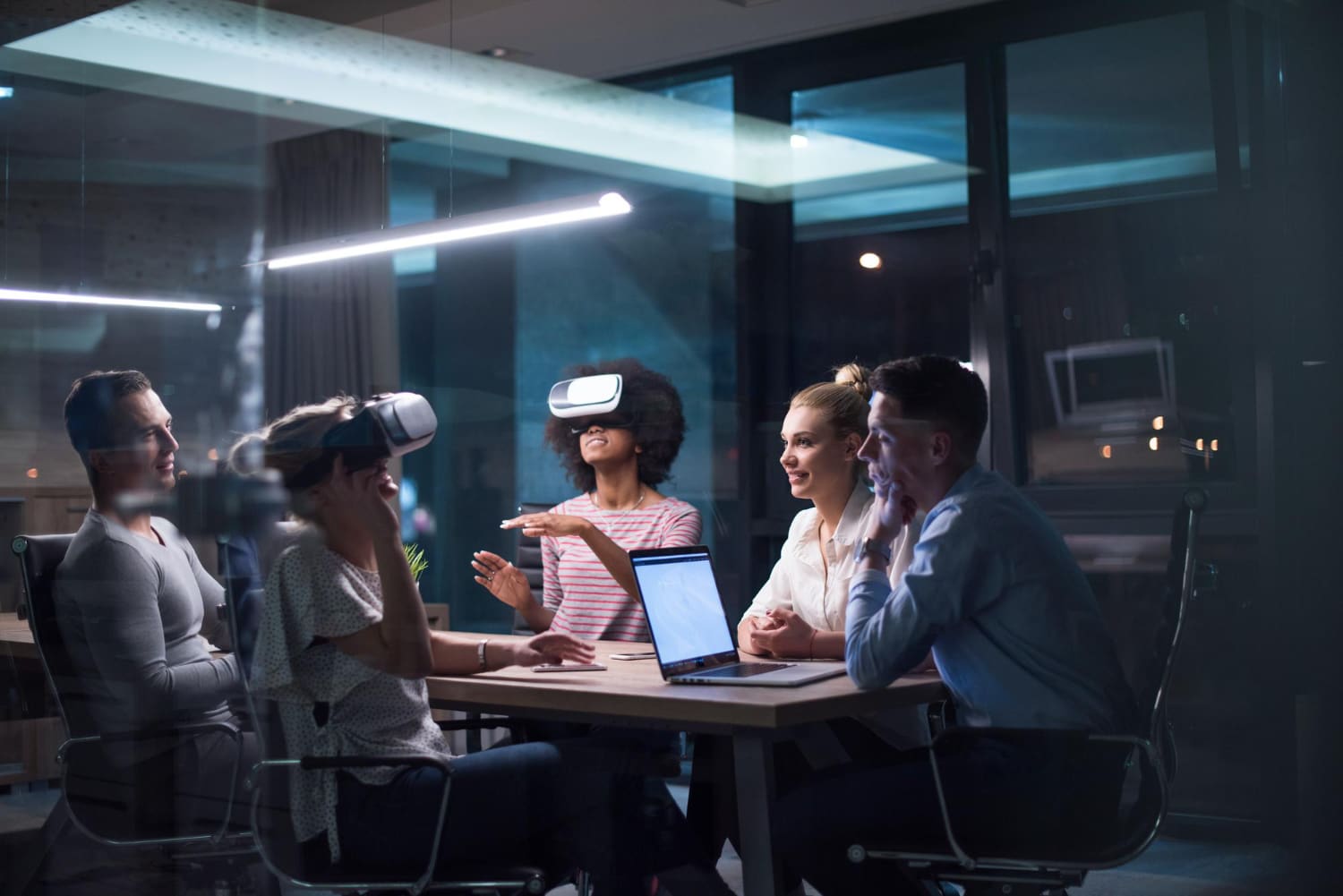
We handle immersive training solutions end to end, from instructional design and 3D environment design through development, voice and localisation to LMS deployment. Whether you call the build VR training solutions or an XR programme, each format below solves a different training problem, and most programmes combine two or three. For practice needs that are process- or software-based rather than 3D, our Simulations service covers non-VR digital walkthroughs separately.

High-stakes work, practised safely
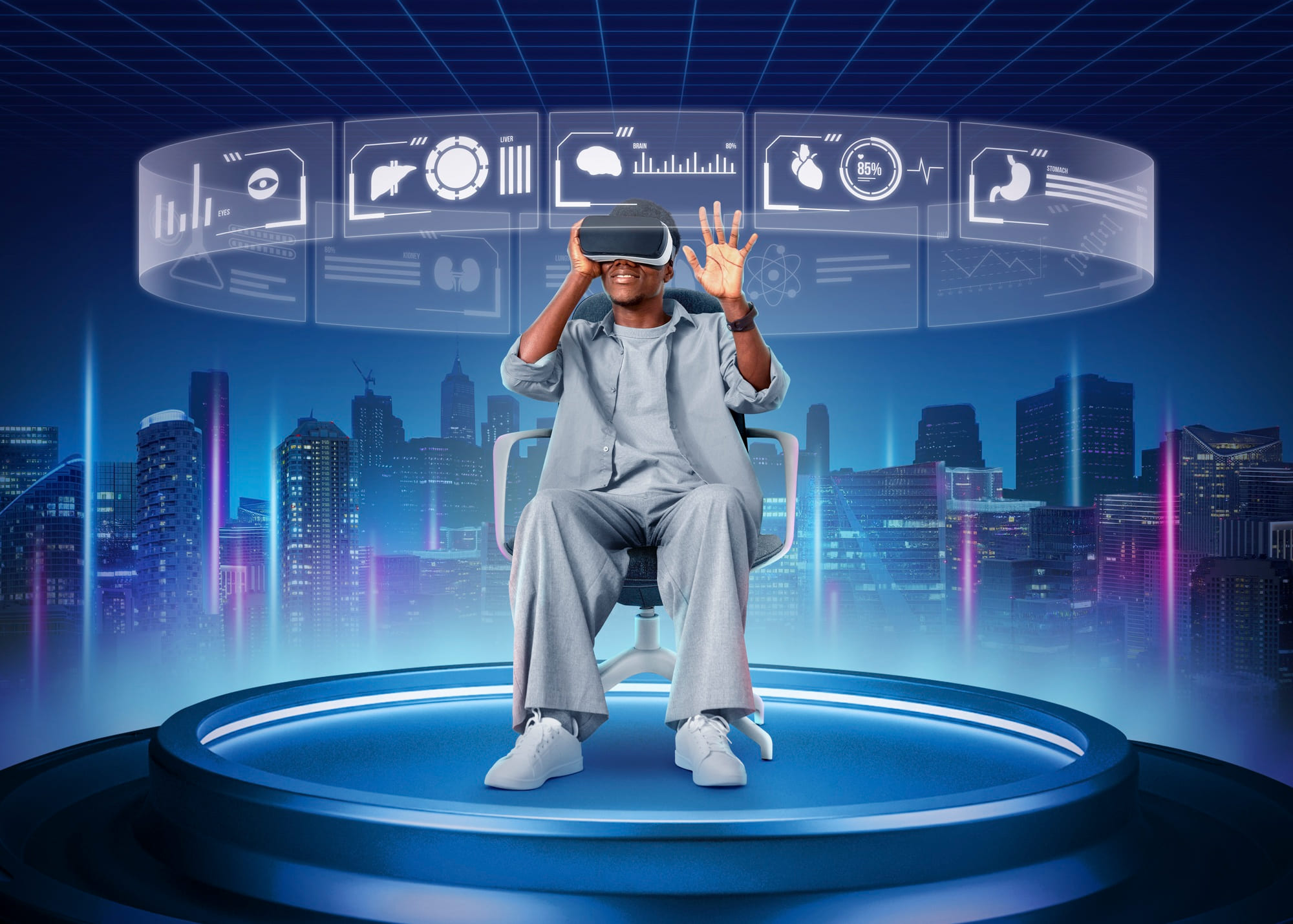
VR earns its place in the training budget where the cost of a mistake on the job is high: hazardous environments, complex equipment, emergency drills, and decision-heavy soft-skills conversations that are awkward to rehearse with a colleague. Inside a VR simulation, a learner runs the same high-pressure scenario as many times as it takes, fails safely, and builds the judgement that transfers to the floor. Whether a programme is described as VR training or VR learning, the economics have shifted. Standalone, mobile-class headsets such as Quest have moved enterprise VR from a custom lab and a dedicated rig to a shipping address and a standard training budget.
Guidance in the flow of work
AR training puts the instruction in the same place as the job: a step-by-step overlay on the machine a technician is repairing, a checklist that follows a new starter around a warehouse, a prompt that appears exactly when a frontline worker needs a decision made. This is learning in the flow of work in its most literal form, hands on the task and the next step a glance away. Some teams describe the same overlays as AR learning; whichever term your team uses, the design goal is the same: guidance that does not require the worker to look away from the job to get it.
When the line between worlds blurs
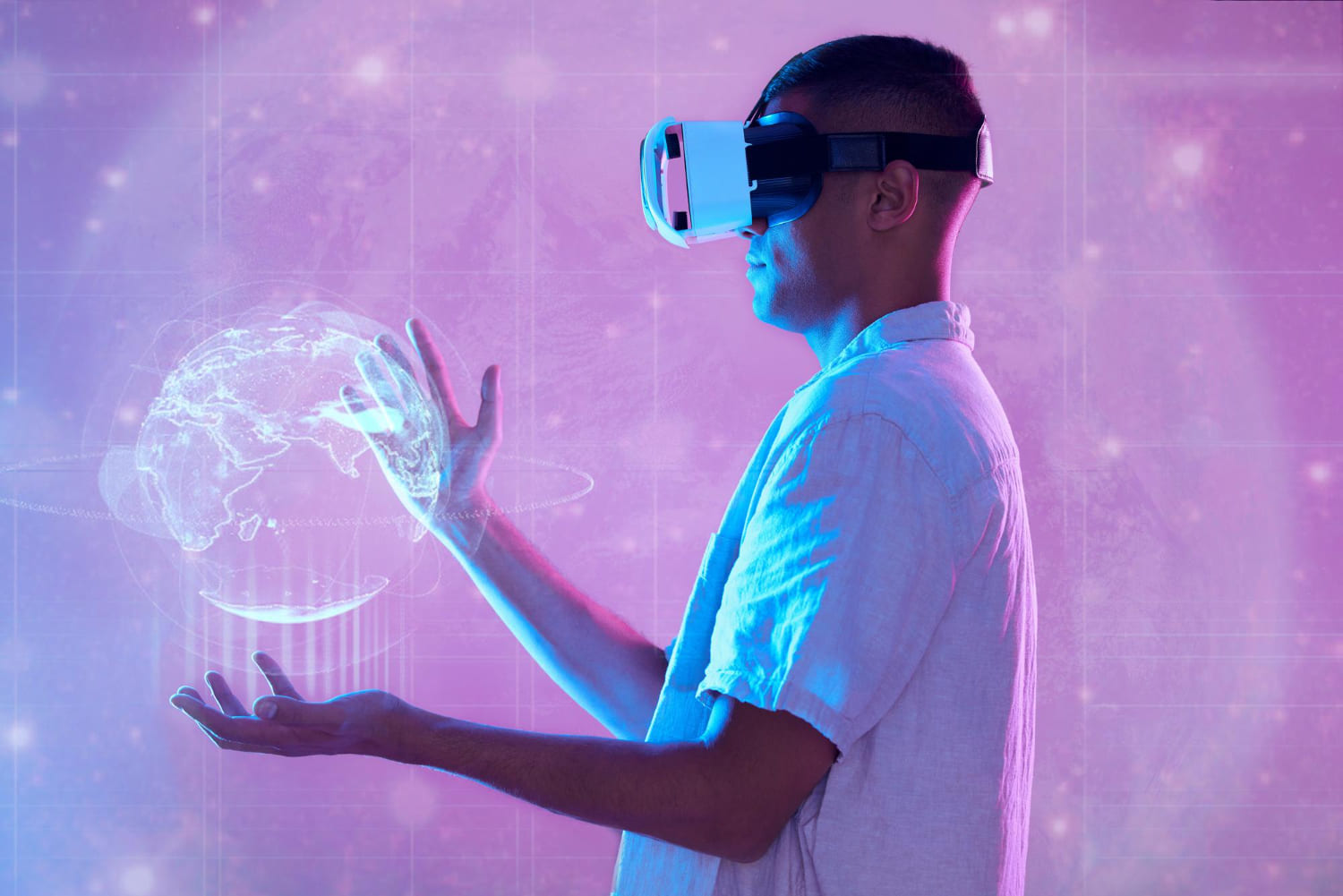
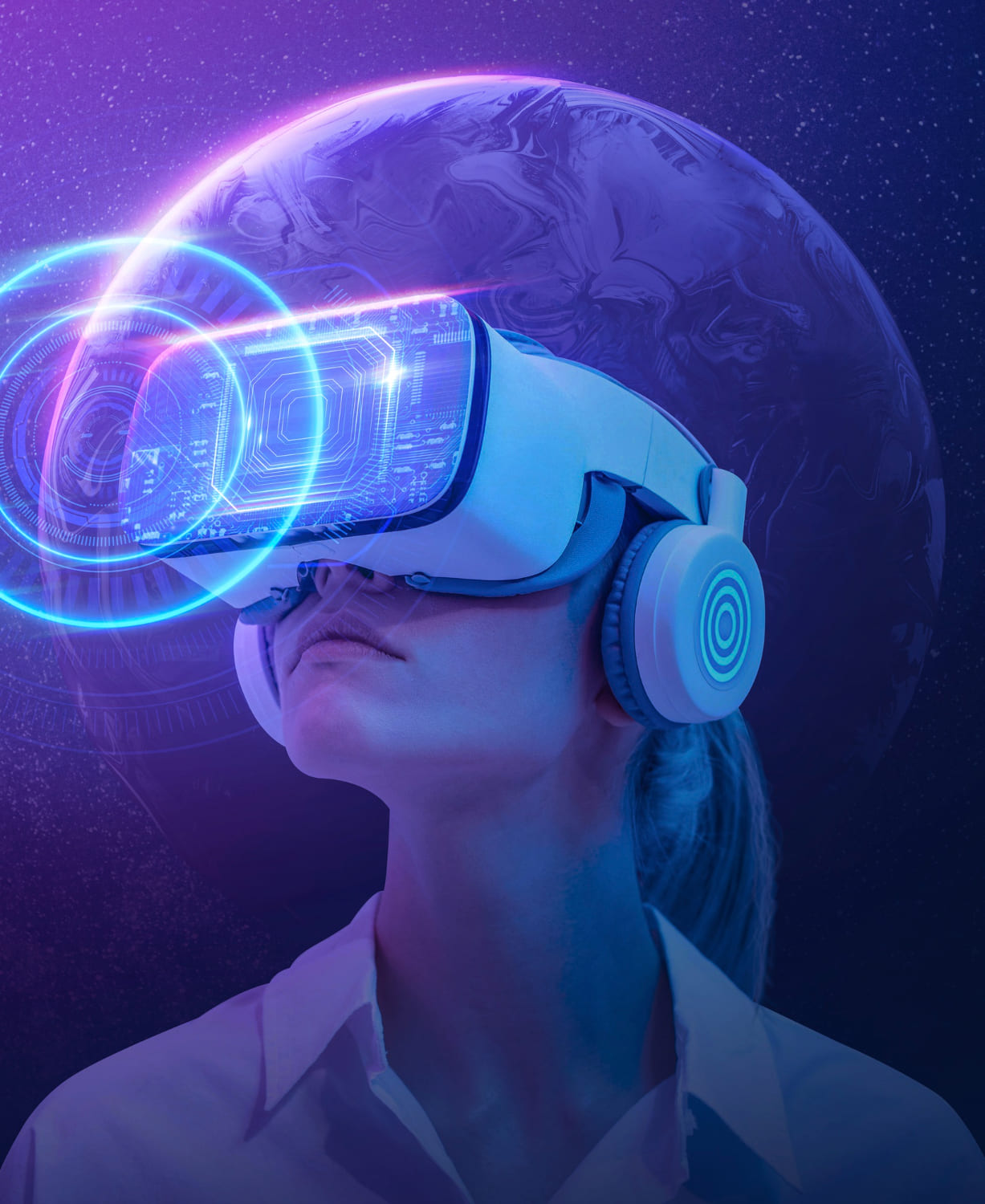
Mixed reality blends the physical and the digital into a single workspace. A learner wearing a HoloLens, or a Quest in passthrough mode, sees their real tools and surroundings with 3D models, annotations and even a remote expert layered on top. Mixed reality training suits teams who need to practise together on shared equipment, walk through a 3D plant layout before it is built, or bring an instructor into the room as a hologram. XR training is the umbrella term L&D leaders increasingly reach for when a programme moves between VR, AR and MR within a single learning journey, and it is how we scope immersive work: by the experience a learner needs, not the headset they happen to be wearing. Many of these branching, decision-led builds sit close to our work in scenario and story-based learning.

Where immersive learning delivers impact
Across immersive training programmes, four use cases consistently earn their place in the budget:
Safety & high-hazard work. VR safety training lets teams rehearse emergency drills, lockout-tagout procedures and confined-space scenarios as many times as it takes, with zero risk to people or equipment.
Manufacturing & operations. VR manufacturing training walks new operators through machine setup, changeovers and quality checks on a full-scale digital twin before they reach the production line.
Soft skills & difficult conversations. Branching VR and 360° scenarios put managers and frontline staff through performance reviews, escalations and customer conflict, building judgement rather than a script.
Onboarding for complex roles. 360° walkthroughs and AR job aids orient new hires to plants, hospitals and trading floors they cannot freely explore on day one, cutting the time to productive work.



Multilingual eLearning, delivered across 50+ languages
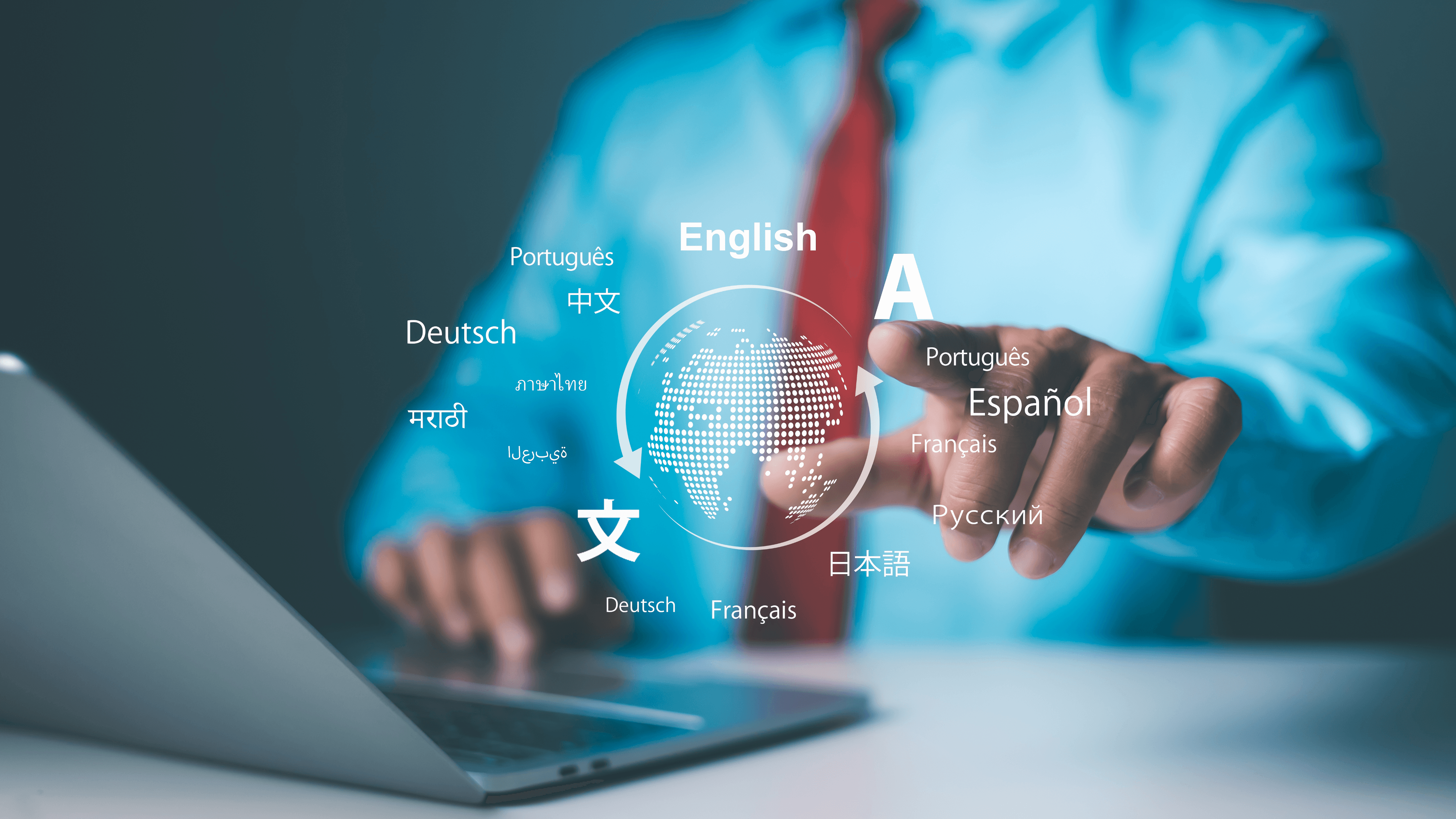
AI voice and avatar tools do the scale work: localising narration, on-screen text, and character dialogue across languages without the recording studio bottleneck. Certified human translators then review every output for terminology accuracy, regulatory precision, and cultural register. Captions and audio descriptions are produced in every language from the first build, not added later.
Right-to-left rendering for Arabic and Hebrew is tested and validated in the authoring stage, before LMS deployment.

How we use AI to deliver immersive learning faster, smarter
AI changes the economics of building a 3D world. Generating a custom environment, character or avatar used to mean weeks of modelling and animation before instructional design could even start. AI-assisted generation now produces draft environments, characters and props that our 3D artists refine and finish, moving that stage from weeks to days. AI voice and avatars deliver the same scenario in 50+ languages without a single re-record or re-animation, and AI-assisted branching maps out the decision tree for a VR or 360° scenario, which our instructional designers then test and tune for the behaviour the programme is built to change.
OThe result is direct. AI-accelerated 3D production frees up to 40% of the build budget to reinvest in more environments, more languages or more practice attempts, while our 3D leads and instructional designers keep narrative logic, accuracy and quality under human review. Every finished build ships SCORM, xAPI or cmi5-ready to whichever LMS or headset fleet you already run.
Why Infylearn,Expertise You Can Trust
Custom VR trainingis judged on one thing: whether the decision it rehearses transfers to the job. Our immersive practice combines instructional design, 3D production and behavioural science under one roof, a blend built over 21+ years of combined team expertise, so every environment, character and branch maps to a real task or decision rather than a headset demo built to impress in a sales meeting. Builds run across Quest, Vive, Pico and HoloLens, with a WebVR fallback so the same scenario also plays in a browser for teams who are not yet headset-ready, and every experience is inclusive by design, with seated-mode options, adjustable comfort settings and captioned dialogue throughout.
We work from our Sharjah headquarters and a Mumbai delivery hub, a combination that gives Gulf enterprises Arabic and English delivery with regional compliance fluency, and gives US and EU enterprises production economics few providers can match for 3D-heavy builds. Lighter formats such as 360° video and WebVR modules typically move from kickoff to launch in 2–6 weeks*; full VR and MR builds with custom environments run on a longer cycle, scoped at the outset to the environments, characters and branches involved. Everything ships SCORM 1.2/2004, xAPI and cmi5 ready and localises into 50+ languages through certified partners, with full IP transfer, a named project manager, and post-launch support on every engagement.
Immersive learning earns its place fastest in industries where the real environment is hazardous, expensive to access, or simply off-limits for training.
Industries We Serve



Proven results & case studies
These results come from scenario-led, practice-first programmes whose branching and video foundations carry directly into VR and 360° immersive learning builds.
IT services firm, UK · branching scenario simulation
A UK IT services firm needed a leadership programme for 400 high-potential managers across Europe and India, to rehearse the difficult conversations and escalation decisions that come with the role. Infylearn built a narrative-driven branching scenario with AI-powered reflection prompts, delivered through Cornerstone OnDemand with a leaderboard to drive engagement, the same branching-decision design that underpins our VR learning and 360° scenarios for soft-skills practice.
Healthcare & Pharma group, UAE · scenario video and mobile onboarding
A regional pharma group needed a bilingual English and Arabic onboarding programme for 3,000+ employees within six weeks of clinical go-live. Infylearn delivered AI-narrated clinical scenario videos alongside a mobile-first performance-support app, the same scenario-video and no-headset formats that anchor our 360° immersive video and WebVR builds for teams who are not yet headset-ready.

Frequently Asked
Questions
This premium platform anticipates user needs with a self-governing interface that resolves complex questions quickly. It replaces traditional support hurdles with a flawless information engine, maintaining high global satisfaction for learners.
Still have questions?
Need clarity before moving forward?
Speak with our domain experts and get direct answers tailored to your learning challenges.
 Talk To UsTalk To UsTalk To Us
Immersive learning is training delivered through VR, AR, mixed reality or XR, where learners practise tasks and decisions inside a realistic 3D or 360° environment instead of reading or watching about them. It suits high-stakes, hazardous or hands-on work where mistakes are costly in the real world but safe to make in a simulation. Enterprises use it for safety drills, equipment training, soft-skills practice and onboarding into complex roles.
In VR learning, the learner’s view is replaced entirely by a 3D simulated environment, while AR overlays digital information onto the real world they can still see. Mixed reality goes further, letting learners interact with real objects and 3D holographic content together in the same space. XR is the umbrella term covering all three, used when a programme moves between formats within a single learning journey.
No. Standalone, mobile-class headsets such as Quest have brought enterprise VR within reach of a standard training budget, and many of our immersive builds run as 360° video or WebVR experiences that need no headset at all. We scope the format to the budget and the rollout, not the other way around.
We build for Quest, Vive, Pico and HoloLens, with a WebVR fallback so the same scenario also runs in a browser. Most clients deploy across a mix, with headset-based VR for high-stakes practice and browser-based or 360° formats for wider rollout.
Yes. Immersive modules ship SCORM 1.2/2004, xAPI or cmi5 ready and report completion and scoring data to your existing LMS, the same as any other course. xAPI is particularly useful for VR, since it can capture in-environment actions and decisions that SCORM alone cannot.
Lighter formats such as 360° video and WebVR modules typically move from kickoff to launch in 2–6 weeks*, depending on scope and source material. Full VR or MR builds with custom 3D environments and characters run on a longer cycle, scoped at the outset to the number of environments, characters and branches involved.
Yes. Practising a task or decision inside a realistic 3D environment builds muscle memory and judgement in a way that reading or watching cannot, and that is where the benefits of VR training show up most clearly: in transfer to the job, not just in satisfaction scores. The effect is strongest for procedures, equipment operation and decision-heavy soft skills, the areas enterprises turn to immersive training for first.
AI accelerates the build by generating draft 3D environments, characters and avatars that our 3D artists refine, and by producing AI voice in 50+ languages without re-recording. It also assists branching logic for VR and 360° scenarios, which our instructional designers then test and tune. The result is more environments and more practice attempts for the same build budget, with quality kept under human review.

See immersive learning in action
See how custom immersive learning could change practice for your highest-stakes roles. Book a short demo to try a sample VR safety scenario in your browser, or talk to us to scope a programme against your outcomes.