



Intelligent Learning. Human Impact.
Software & Process Simulation Training for Global Enterprises
Safe practice on the systems, processes and decisions your teams encounter at work. We design custom software simulation training that puts people inside the real environment, builds capability through repetition and consequence, and delivers results your business can measure.
.jpeg)

Why enterprises choose simulation training
Digital, corporate simulation-based training is practice in a controlled replica of the real environment, with consequences that teach without risk. Where a video tells a learner what to do and a scenario asks them to decide, a simulation makes them act. They click, navigate and respond inside the live interface or a faithful model of it, and the system responds as it would in production. Enterprises choose it because transfer is direct: the person who has already deployed the ERP transaction in practice makes fewer errors on day one than the person who watched a demo. In compliance and safety contexts, that difference is material.




Our simulation learning solutions
We handle software simulation training production end to end — from instructional design and scripting through media production to SCORM packaging and LMS deployment. Every format below is built for a specific learning job, and most enterprise programmes combine several.

Where simulation training delivers impact
Digital, corporate simulation training is most valuable where errors are costly, where practice on the live system is impossible before go-live, or where judgement under pressure is the target behaviour.
Software & system rollouts. SAP, Oracle, EHR and CRM go-lives where people need to transact before day one, not learn on the job.
Sales conversations. Practise product pitches, objection-handling and consultative discovery against realistic AI buyer personas before the real meeting.
Customer service & complaints. Build tone, accuracy and process adherence across service teams handling high volumes of complex interactions.
Compliance decisions. Walk regulated staff through AML, KYC, GxP and HIPAA decision points with branching consequences, not just a pass/fail quiz.
Safety & SOP procedures. Let manufacturing, oil and gas and aviation teams practise high-consequence procedures in a zero-risk environment.
Manufacturing & operations. Simulate production processes, equipment start-up sequences and quality-check workflows before floor deployment.



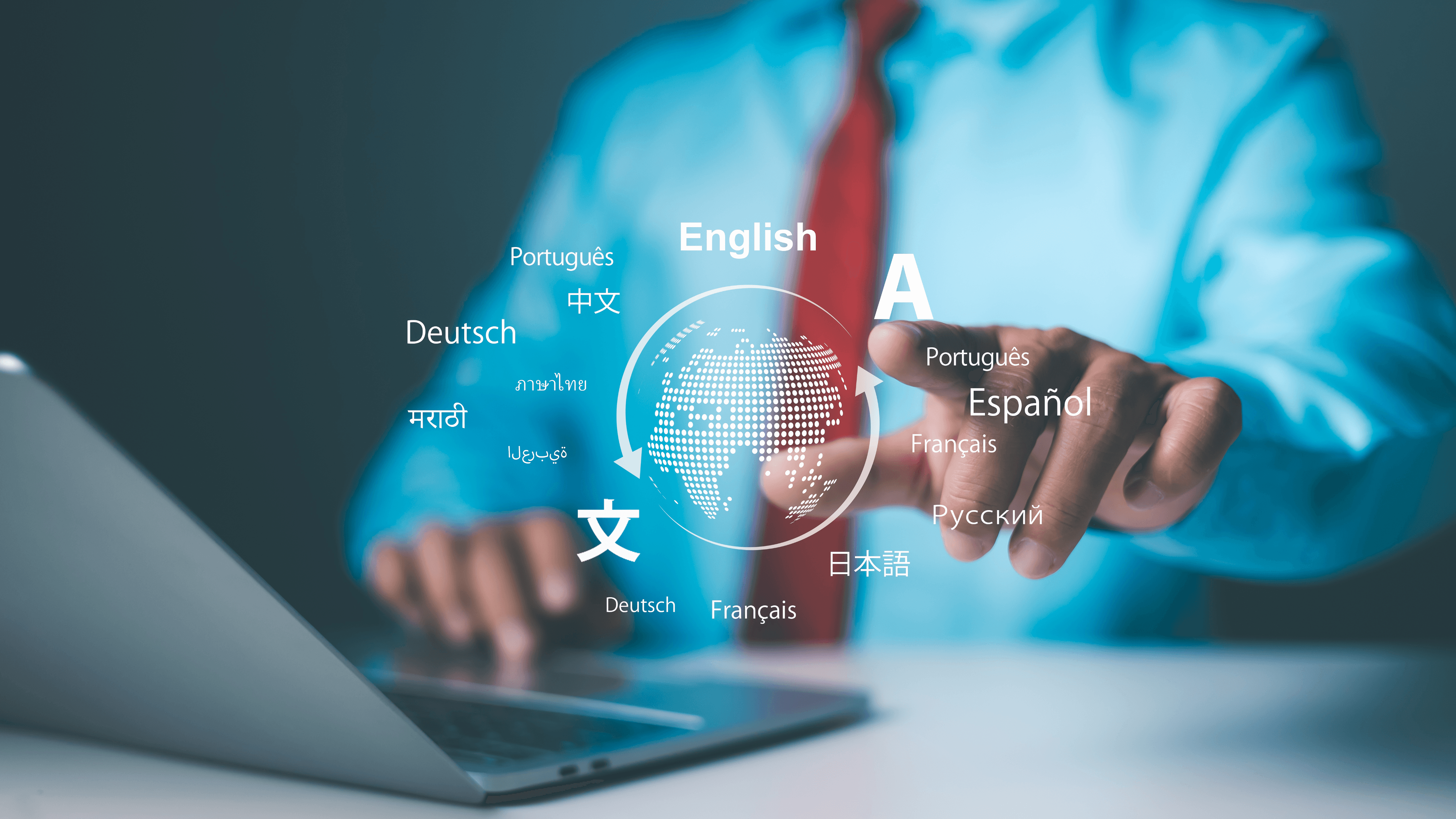
Multilingual eLearning, delivered across 50+ languages
AI voice and avatar tools do the scale work: localising narration, on-screen text, and character dialogue across languages without the recording studio bottleneck. Certified human translators then review every output for terminology accuracy, regulatory precision, and cultural register. Captions and audio descriptions are produced in every language from the first build, not added later.
Right-to-left rendering for Arabic and Hebrew is tested and validated in the authoring stage, before LMS deployment.

How we use AI to deliver simulations faster, smarter
AI takes the longest job in simulation development — mapping the decision tree — and compresses it from weeks to days. Our instructional designers use AI to model branching architecture, generate and stress-test decision nodes, and surface gaps before a line of content is written. That structural rigour used to represent the majority of the build timeline. Now it is the launchpad.
On the content side, AI characters and voice bring sales simulation training and customer service simulations to life. AI-generated voices and adaptive personas respond to the learner's input in real time, which means a sales simulation that once required expensive actor recordings now delivers a richer, more varied practice set and localises across languages without re-recording. On the learner side, AI adjusts simulation difficulty based on performance data — advancing a confident learner faster and routing a struggling one through targeted remediation before they reset.
The result is direct. AI-accelerated simulation production frees up to 40% of the build budget to reinvest in additional modules or deeper branching, while our instructional designers keep scenario logic, accuracy and quality under human review. Finished simulations ship clean to any LMS you already run.
Why Infylearn,Expertise You Can Trust
Building a credible simulation demands three disciplines working in concert: instructional design, systems modelling and decision science. Get the instructional design wrong and the simulation teaches the wrong behaviour. Get the decision tree wrong and the branching collapses under edge cases. Get the decision science wrong and the learner clicks through without engaging the judgement you need them to build. A team with 21+ years of combined expertise designs every simulation with all three disciplines active, so every branch and consequence maps to a real decision you want people to make differently.
Our simulation-based training programmes follow ADDIE, SAM and backwards design from the first scoping session: the target behaviour is named first, then the scenario architecture is designed to produce it. We work from our Sharjah headquarters with fluency in Arabic and English, meeting Gulf enterprises' regulatory and localisation requirements from a single base, and from our Mumbai delivery hub, which gives US and EU enterprises production economics few providers can match. Simulations ship SCORM 1.2/2004, xAPI and cmi5 ready, run on your existing LMS, and localise into 50+ languages through certified partners. Most programmes move from kickoff to launch in 2–6 weeks*, with full IP transfer, a named project manager, and post-launch support on every engagement.
We build software and process simulations for regulated and operationally demanding sectors where capability on the day matters.
Industries We Serve



Proven results & case studies
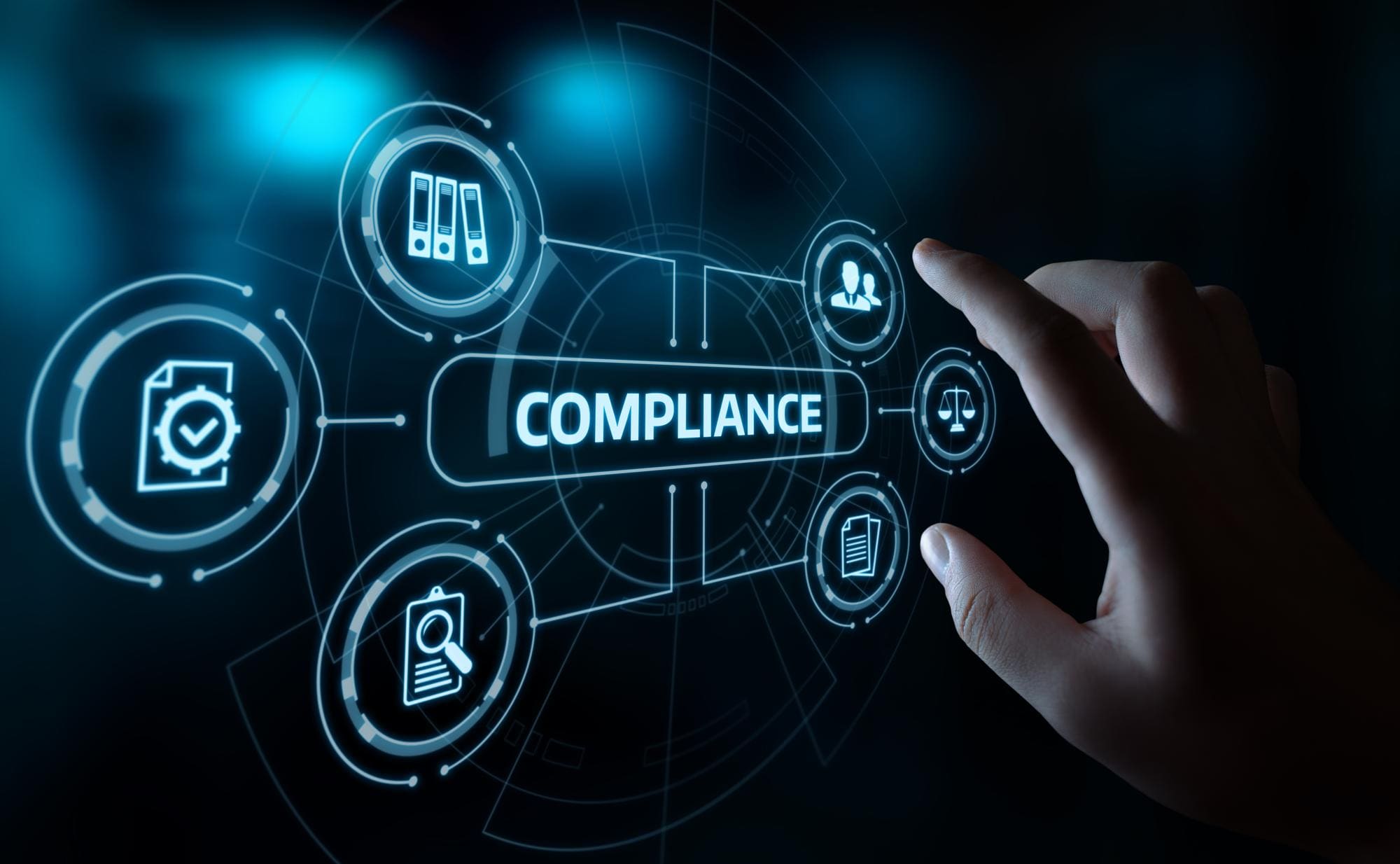
Global BFSI client, UAE · compliance decision simulations
A multinational bank needed to rebuild compliance training across four markets in Arabic and English within eight weeks. Infylearn built a suite of decision-tree simulations with branching compliance scenarios, AI-generated voice, and SCORM 2004 delivery to SAP SuccessFactors. Every simulation node mapped to an AML or KYC decision point, giving audit teams a complete xAPI record of every choice made.
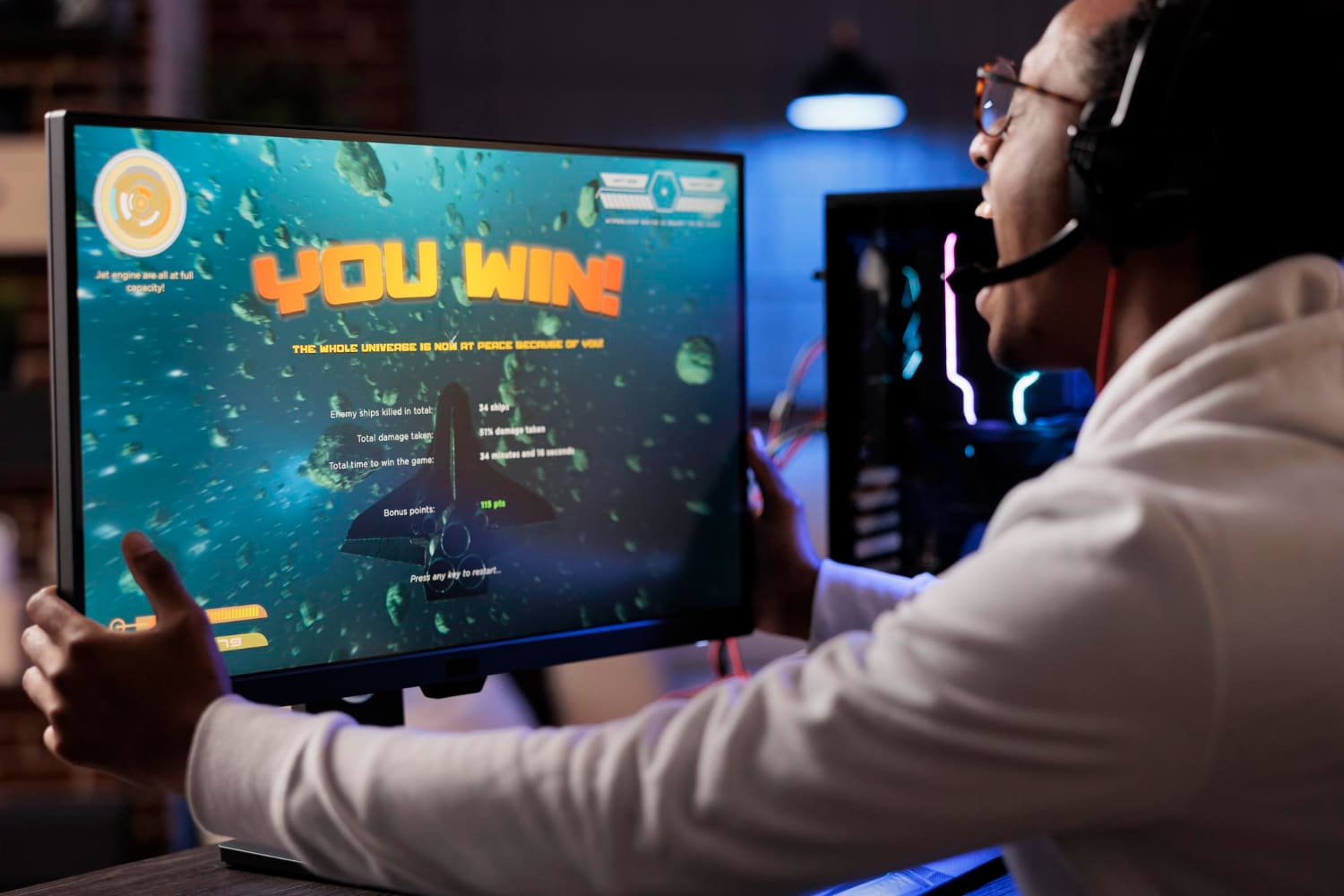
Healthcare & Pharma group, UAE · clinical systems simulation
A regional pharma group needed a bilingual English and Arabic onboarding programme for 3,000+ employees within six weeks of clinical go-live. Infylearn delivered a blended programme that included AI-narrated clinical scenario simulations for the EHR system and key SOP procedures, alongside self-paced SCORM modules and a mobile-first performance-support app.

T services firm, UK · leadership decision-making simulations
Europe and India. Narrative-driven scenario videos presented branching leadership choices, supported by AI-powered reflection prompts and a leaderboard on Cornerstone OnDemand. The video format gave geographically dispersed managers a shared, consistent learning experience regardless of their location.

Frequently Asked
Questions
This premium platform anticipates user needs with a self-governing interface that resolves complex questions quickly. It replaces traditional support hurdles with a flawless information engine, maintaining high global satisfaction for learners.
Still have questions?
Need clarity before moving forward?
Speak with our domain experts and get direct answers tailored to your learning challenges.
 Talk To UsTalk To UsTalk To Us
Digital, corporate simulation training is practice in a controlled replica of the real environment — a software interface, a business process or a decision scenario — where learners act and the system responds with realistic consequences. It builds capability through repetition rather than observation, which is why transfer to the job is stronger than with video or quiz-based formats. Enterprises use it for system rollouts, compliance, sales, customer service and safety training.
Scenario-based learning presents a situation and asks the learner to make a choice; the consequence is typically a narrative outcome. A simulation goes further: the learner operates inside a functional environment, the system responds as it would in reality, and every interaction is tracked. Software simulations in particular require the learner to complete real transactions in the correct sequence, with error-recovery branches when they go wrong.
Yes. We build software simulations at two fidelity levels. Screen-capture and overlay builds are faster and work well for guided practice and click-through tutorials. Full HTML5 UI rebuilds are used when assessment-grade xAPI tracking is required on every interaction node, or when recording access to the live system is restricted. We scope the right approach in the initial consultation.
Yes, and it is one of the most effective formats for both disciplines. Sales simulation training uses AI-generated buyer personas that adapt their responses to the learner's inputs, giving each participant a varied, realistic practice set across multiple objection types and buyer profiles. Customer service simulations score tone, accuracy and process adherence in the same interaction, which lets managers identify coaching priorities at scale.
Yes. All simulations ship SCORM 1.2/2004 and xAPI ready, and we also support cmi5. We have delivered to SAP SuccessFactors, Cornerstone OnDemand, Moodle, TalentLMS and other major platforms. If your LMS is less common, we confirm compatibility in the scoping consultation before a line of development starts.
We use AI to map and stress-test decision-tree architecture, generate adaptive AI characters and voice for sales and service simulations, and personalise simulation difficulty based on learner performance data. This compresses the hardest and longest part of simulation build — the branching logic — from weeks to days, while our instructional designers keep scenario accuracy and decision science under human review.
Most simulation programmes move from kickoff to launch in two to six weeks*, depending on simulation type, number of branching nodes, number of languages and how ready the source process documentation is. Software simulations typically require a working build of the application interface, which we factor into the scoping timeline. AI-assisted decision-tree mapping is a large part of how we keep timelines competitive.

See simulation learning in action
Walk through a sample software simulation training module , or talk to us to scope a programme against your systems and outcomes.